

There’s a moment – subtle, almost silent – when an empath begins to break. It doesn’t look dramatic from the outside. It looks like slowing down, softening, disappearing in small ways. For most of my life, I didn’t recognize these shifts for what they were: the earliest signs that my emotional capacity was thinning, that my body was whispering long before my mind understood. This post is the map I never had – the quiet clues, the somatic signals, and the inherited patterns that reveal when I’m nearing emotional overload, long before the shutdown happens.
Where My Threshold Was First Shaped
I can’t point to one defining moment where I learned to hold more than a child should. It was simply the emotional weather I grew up in – the heaviness in the room before anyone spoke, the instinct to read faces, the quiet bracing my body did without permission. I learned early that my reactions could make things worse for someone else, so I stayed composed. I stayed small. I stayed steady.
I became the calm one because someone had to be. I became the quiet one because my emotions felt too loud for the environment I was in. I learned to scan the room, adjust myself, and absorb whatever was too heavy for others to carry. I didn’t ask for help; I became my own anchor. Endurance became my default long before I understood what endurance even was.
That’s the blueprint for why empaths don’t notice they’re nearing collapse until their body forces a shutdown. We’ve been performing calmness since childhood. We learned to internalize everything – to hold what wasn’t ours, to stay strong, to stay close, to carry the emotional weight of everyone we loved. And that early hyper-attunement becomes the first warning sign in adulthood: the body tightens, the breath shortens, the nervous system goes on alert long before the mind admits anything is wrong.
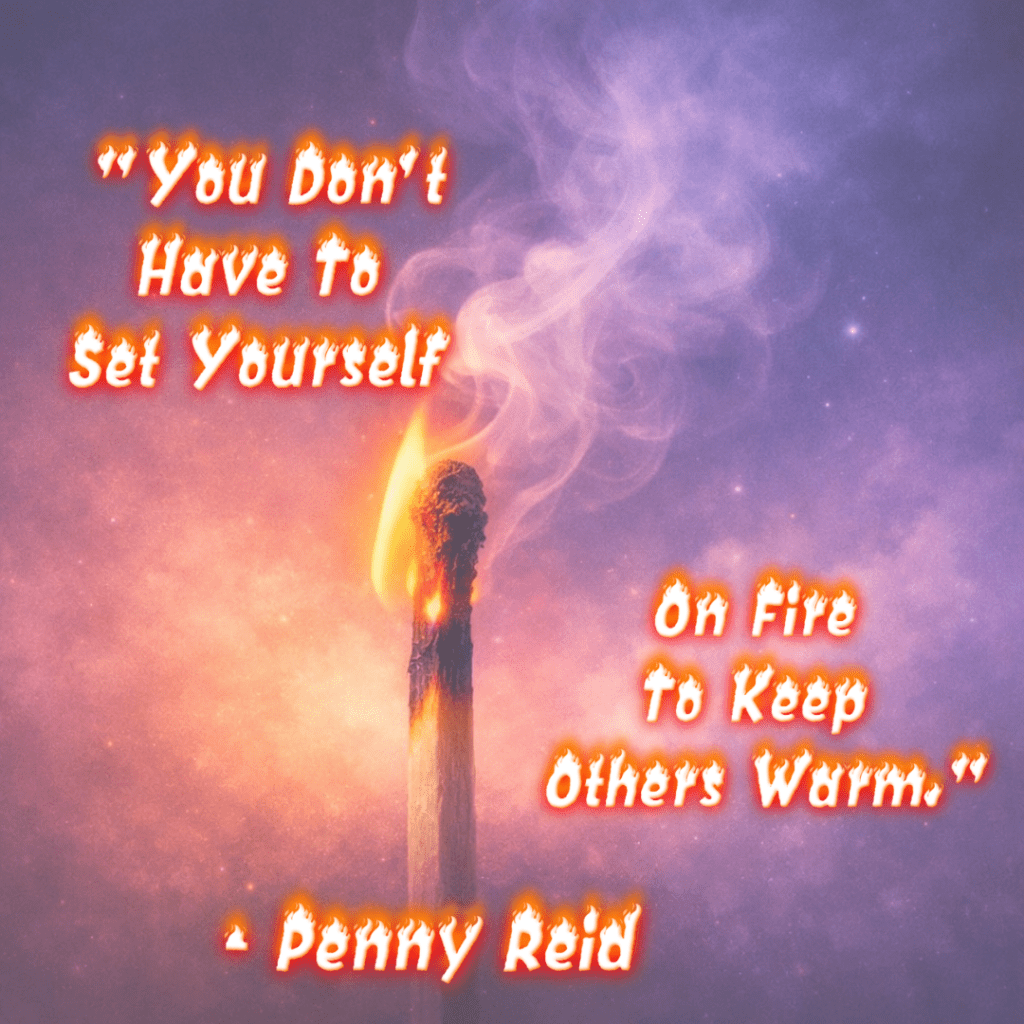
The Quiet Way I Break
I don’t break loudly – I break quietly, slowly, almost imperceptibly at first. My personality has always carried things internally, processing everything in silence long before I ever speak it out loud. When I’m nearing my limit, it doesn’t look like chaos. It looks like stillness. It looks like disappearing.
The early behaviors that show I’m nearing shutdown:
- I stop contributing as much – not because I’m calm, but because I’m conserving energy
- I start disappearing in small ways: slower replies, less eye contact, less presence
- I become overly composed, almost emotionally still, like I’m holding my breath inside
When my dad and grandma pass away in February and March of 2024 – just three weeks apart – I broke exactly this way. Quietly. Slowly. I didn’t fall apart in a way anyone could see; I simply stopped being able to show up. I slipped into survival mode without realizing it. My inner voice went silent under the weight of everything I had to manage, and my system began shutting down piece by piece.
How the deeper shutdown unfolded:
- My body went numb, like it was trying to protect me from feeling anything at all
- My chest felt heavy, my breath shallow, my senses dulled – like I was watching myself from a distance
- I gave the bare minimum to my job, my family, and myself
- I disappeared in small ways, then bigger ones, until functioning became a day-by-day negotiation
- The fog thickened over months, setting into every part of my life

By June 2024, my body forced a pause I didn’t choose. My health unraveled. Chronic issues flared louder than ever. My relationships strained. My job performance slipped until eventually I lost my job in April 2025. Even the basic admin tasks of life – managing our apartment, keeping up with responsibilities – fell apart. That’s the truth of how I break: not with noise, but with quiet collapse. Not with drama, but with disappearance.
Why My Energy Absorbs So Much
Certain seasons make me more porous than others. Mutable seasons – Pisces, Gemini, Virgo, Sagittarius – pull my energy in every direction. During Pisces season, my emotional threshold shrinks; my nervous system feels wide open and everything gets in. Mercury retrograde tightens my chest, shortens my breath, and makes miscommunications feel heavier than they should.

My chart makes me porous in a way that I feel energy before I understand it – absorbing tone, tension, and unspoken emotion so intensely that I don’t just sense it, I metabolize it. I become a mirror for others until I’m carrying more than my system can hold.
The Body That Warns Before
the Mind Understands
My body always speaks before I do. It whispers long before it collapses, and every symptom is a signal that I’m nearing emotional overload – even when I don’t want to see it.
The first physical cues that tell me I’m approaching overload:
- My energy drops without warning
- Everyday tasks feel heavier, like I’m moving through mud
- Fatigue hits in unpredictable waves – functioning one day, barely standing the next
As emotional saturation builds, my chronic illnesses flare louder than ever.

The symptoms that show up when I’m emotionally saturated:
- Headaches, stomach issues, joint and muscle pain
- Blood sugar swings
- Sensory overwhelm – too much noise, to much light, too much everything
- Irritability and agitation
- My body shutting down non-essentials: appetite, focus, motivation, emotional availability
Looking back, none of it was random. My body had been warning me long before my mind caught up. Every flare, every wave of fatigue, every moment of overwhelm was my system saying: You’re carrying too much. You’re nearing the edge.
When “Being Strong” Became a Burden
I grew up with the belief that strength meant silence – that you pray harder, push through, carry more, treat struggle as noble, and hand your pain to God instead of listening to it. Perseverance was holy. Endurance was spiritual. Exhaustion was something you ignored.

But I’ve learned that faith only works when I’m willing to do the inner work too. God walks with me, strengthens me, and guides me – but I still have to tend to my mental and physical health. The idea of “strength through silence” wasn’t just spiritual; it was generational. We handed our pain to God without ever actually feeling it, naming it, or processing it.
I’ve seen God move in miraculous ways, but I’ve also learned that processing what happens to me – the emotions, the impact, the aftermath – is part of staying connected to Him. Faith carries me, yes, but it doesn’t replace the work of healing. Honoring my limits, listening to my body, and tending to my emotional capacity isn’t a lack of faith – it’s one of the ways I stay grounded in it.

How I Know I’m Approaching Collapse
I’ve learned to recognize the signs that I’m nearing emotional collapse – the subtle shifts that show up before the shutdown happens.
My top three signs I’m approaching emotional collapse:
- My body gets heavy and slow, like my energy drops out from under me
- My mind goes quiet and foggy; I lose access to my inner voice.
- I start withdrawing in small ways – replying less, showing up less, caring less – not because I want distance, but because I don’t have the capacity for connection
Readers can recognize their own threshold by watching for the same quiet shifts.
How to recognize your threshold before shutdown:
- Notice when your body starts whispering – tight chest, shallow breath, sudden fatigue
- Pay attention to emotional numbness – it’s often the first stage of collapse
- Watch for the shift from “I’m managing” to “I’m disappearing”
And the practices that help me pull back before I break:
- Pause the moment my body tightens – even a 2-minute reset interrupts the collapse
- Name what I am feeling out loud or on paper
- Reduce emotional output: fewer explanations, fewer obligations, fewer yeses
- Create micro-boundaries – stepping away from noise, people, or tasks for short intervgals
- Let myself rest before I think I’ve earned it
Rest isn’t a reward. It’s prevention.
Let’s Reflect
If any part of this feels familiar – the heaviness, the quiet withdrawal, the numbness – let it be a gentle reminder that your body speaks long before it breaks. You don’t have to wait for collapse to honor your limits. Notice the whispers. Respond to the first signs. Let yourself return before you disappear.

I’m still in the fog myself. It hasn’t fully lifted – not even close. It’s only just beginning to thin around the edges, and most days I’m still finding my way through it. But I am healing, slowly and steadily, and I want you to know that if you’re in that same fog, you’re not behind and you’re not alone. Were learning to come back to ourselves at the same time.
What’s the earliest signal your body gives when you’re nearing overload?


Leave a comment